Best Bingo Sites UK No Wagering: How Licensed Operators Handle the Promotion in 2026
 Available in GB
A “no wagering” tag on a UK bingo bonus looks like the rare deal the player keeps whole. No playthrough, no multiplier, no clearing requirement buried in the small print. The maths underneath the offer still has to be done, because the Gambling Commission does not let any promotion off the leash: minimum age 18, full identity verification before the first deposit, mandatory GAMSTOP registration on every online licence, and — since 19 December 2025 — a hard 10x ceiling on whatever wagering requirement a bonus does carry. A bonus that crosses that line is not a softer bonus; it is a different offer than the one a reader might imagine from the headline.

This page compares ten GB-licensed operators on the criteria that matter when the marketing word is “no wagering” — what the bonus actually pays out, how a withdrawal moves, and what the licensed status means in practice. The ten are drawn from the Gambling Commission’s public register of gambling businesses, the same register a player can search by name. Each is paired with a remote casino operating licence number, a domain status, and the licence holder behind the brand. Several brands sit under a single corporate licence; one sits under a white-label arrangement. Both are visible on the register, and both belong in a fair read of who you are dealing with.
Current as of 23 September 2026. Verified against the Gambling Commission’s public register of gambling businesses.
Table of Contents
- The Licensing Frame: Why a No-Wagering Promotion Still Has a Regulator
- Responsible Gaming Infrastructure Around the Offer
- Payments and Payout Speed on UK Bingo Sites
- Bonus Mechanics: What No Wagering Means and What It Does Not
- Mobile and App: Bingo and Slots on a Phone Browser
- Bingo’s Own Rules: What the Promotion Sits On Top Of
- The Ten Licensed Operators: What Each One Carries
- Side by Side: What the Ten Have in Common and Where They Differ
- Reading a No-Wagering Offer: Where the Real Choice Sits
- The Numbers Behind the Promotion: a Worked Example
- Practical Sequence: Claiming a No-Wagering Bonus at a Licensed Site
- Where the Offer Meets the Limit
- The Geography of a No-Wagering Promotion
- Where the Maths Stops
- The Background on the Games Around the Bonus
- How the Ten Stack Up on What the Page Can Compare
- The Verdict on the Ten
- What to Watch For at the Moment of Claiming
- The Final Word on What a No-Wagering Promotion Buys
- Frequently Asked Questions
The Licensing Frame: Why a No-Wagering Promotion Still Has a Regulator
British gambling law does not sort offers by how friendly they look on a landing page. The Gambling Act 2005 sorts them by who runs them and where they are licensed. Section 33 of the Act makes it an offence to provide gambling facilities to people in Great Britain without a Commission licence, regardless of where the operator is based; the Gambling (Licensing and Advertising) Act 2014 closed the loophole that once let an offshore company serve British customers on the strength of a Curaçao or Maltese licence alone.

The public register of gambling businesses is the only proof a brand is licensed. As of 18 September 2026, the register held 139 businesses with an active remote casino operating licence, and its domain list carried 1065 active and 361 white-label entries. A white-label domain trades under another company’s licence — the brand on the front of the site is not the company holding the licence at the back of it, and that distinction shows up the first time a complaint needs an address.
A licence number on the register follows a fixed format: account-R-number–suffix. The leading six digits repeat the licence holder’s account number; the “R” flags a remote (online) licence. A reader can take any number from a site’s footer, paste it into the register’s search box, and see the licence holder, the licence status, and the domains tied to it in under a minute.
What a No-Wagering Promotion Does Not Remove
A bonus that waives playthrough requirements does not waive the conditions that apply to every licensed site. Name, address and date of birth are checked before the first deposit — that rule has stood since 7 May 2019, and no promotion, however generous, changes it. Credit cards have been banned for gambling since 14 April 2020, including credit-card funding routed through e-wallets; a no-wagering offer paid into a Visa debit account is one thing, the same offer paid into a credit-funded e-wallet is another. GAMSTOP self-exclusion is a mandatory condition of every online licence: a person on the register for six months, one year or five years cannot open a new account, deposit, or claim a bonus at any of the brands on this page.
The promotion is a marketing term. The licence is the contract.
Responsible Gaming Infrastructure Around the Offer
The safer-gambling architecture around a bingo and slots bonus is not optional and not separable from the bonus. GAMSTOP sits behind the registration form; a financial vulnerability check runs at £150 of net deposits in any rolling 30 days, using public data only; the operator must invite the customer to set a financial limit before the first deposit takes effect, and that prompt has been mandatory since 31 October 2025. A player who sets a limit, deposits, claims a no-wagering bonus, plays through it, and asks for a withdrawal has hit four separate safer-gambling touchpoints before the cashout screen.
Where the Slots Rules Land on a Bingo Site
British 90-ball bingo and online slots share a site but not a rulebook. Online slots are governed by the Commission’s package of changes to make online games safer by design: a single spin cannot complete in under 2.5 seconds, auto-play is permanently banned, and losses disguised as wins are not allowed. Reverse withdrawals were banned from 31 October 2021, so funds a player has asked to withdraw cannot be gambled back into the session.
Online slots also carry a per-spin stake ceiling — £5 for players aged 25 and over, £2 for players aged 18 to 24. The two-tier structure reflects the Commission’s view that the 18-24 age group carries the highest average problem-gambling score of any adult group, sits with thinner disposable income, and is still in neurological development. On a bingo site, the bingo room itself sits outside that stake ceiling; the slot games attached to the lobby do not.
The self-exclusion and monitoring apparatus is the same one any licensed online product uses. The National Gambling Helpline (GamCare) and GambleAware sit alongside GAMSTOP as the public-facing routes; ADR providers approved by the Commission resolve disputes a brand’s own customer service cannot. The point of the structure is that a player who has chosen to be excluded cannot be reached by the promotion in the first place.
Payments and Payout Speed on UK Bingo Sites
Payout speed on a UK-licensed bingo site is governed less by the brand’s marketing copy than by three hard facts: the verification done at registration, the ban on credit cards, and the mandatory safer-gambling prompts. A cashout request is checked against the customer’s deposit history, the £150 financial vulnerability threshold, and any active time-out or self-exclusion before it is approved. None of that takes long individually; in combination it adds a working day or two to a withdrawal that an offshore site would push through in hours.
What a No-Deposit Bingo Offer Looks Like in Practice
A no-deposit offer on a bingo site is the smallest stake a player can place: zero pounds in, real money out if the offer’s terms allow it. The licence does not change. Identity verification still runs, GAMSTOP still applies, and the offer still pays out under the bonus terms attached to it — including, often, a maximum win cap. The cap exists because the operator is paying out bonus funds rather than winnings on a player’s own deposit, and the cap is set by the offer, not by the regulator. A £5 no-deposit bonus that pays out a maximum of £50 in cash is a different product from a £5 no-deposit bonus that pays out a maximum of £10; the difference is written into the terms, not into the licence.
The reverse-withdrawals ban matters here: once a no-deposit win is on the withdraw page, it stays there. The player cannot cancel the cashout to chase a further bonus. That rule, in force since 31 October 2021, was the Commission’s answer to a pattern the regulator had seen too often — players withdrawing, then un-withdrawing, then losing both the winnings and a fresh deposit chasing the same bonus.
Which Slots on a Bingo Site Pay Out Best
The short honest answer is that a licensed site does not advertise a payout ranking. RTPs are published on the game’s information panel, often buried under a “?” icon, and the games themselves are sourced from a small set of studios whose content appears across most of the licensed market. Comparing RTPs between bingo-linked slots is a reasonable exercise for a player who wants it; choosing a slot because a guide named it “best paying” is a thinner kind of advice, because the difference between a 96% RTP and a 94% RTP over a few hundred spins is statistically almost invisible.
What a player can compare honestly is volatility. A low-volatility slot pays small wins often; a high-volatility slot pays bigger wins rarely. On a bingo-linked slot the bonus rounds tend to carry the volatility, with the base game running flatter. Reading the paytable before the first spin takes thirty seconds and tells a player more than any ranking.
Bonus Mechanics: What No Wagering Means and What It Does Not
A no-wagering bonus converts the marketing relationship. On a standard deposit bonus, the bonus amount is multiplied by a playthrough factor — historically 30x, 40x, sometimes higher — and the player has to stake that turnover before any winnings become withdrawable cash. A no-wagering bonus waives the multiplier. The bonus amount, or the winnings it generates, is withdrawable as cash from the moment the offer’s other terms are met.
That is the headline. The footnote is what counts.
What Still Applies on a No-Wagering Offer
Three terms typically remain: a minimum deposit to trigger the bonus, a maximum win cap on the bonus itself, and a time limit on using it. The minimum deposit is the usual £10 or £20. The maximum win cap varies — it can be the bonus amount, twice the bonus amount, or a fixed cash figure the operator sets. The time limit is the rule players miss most often: a no-wagering bonus that expires in seven days is not the same product as one that runs for thirty.
The 10x wagering cap that took effect on 19 December 2025 does not, on its face, change a no-wagering offer. The cap targets offers that DO carry a wagering multiplier. What it changes is the upper bound: any promotion that does carry wagering cannot exceed 10x the bonus. An offer that markets itself as “no wagering” sits underneath that ceiling; an offer that markets itself as “low wagering” cannot climb higher than 10x. Mixed-product bonuses — a sports bet that unlocks casino spins, a deposit bonus that mixes bingo and slots turnover — were banned on the same date.
The Calculation Behind a Real No-Wagering Offer
A deposit bonus with no wagering requirement looks like this in practice: a player deposits £20, the operator adds a £20 bonus, the player uses the combined £40 on eligible bingo tickets or slot spins, and any winnings are withdrawable as cash subject only to the offer’s other terms. There is no playthrough. There is no clearing requirement. The £40 is the bankroll; the winnings are the output.
Compare that to a 10x wagering bonus at the same numbers: a £20 deposit, a £20 bonus, and a turnover requirement of £200 before the winnings turn into cash. At a stake of £1 per spin, that is 200 spins at the minimum 2.5-second interval, or 500 seconds of play — roughly eight and a half minutes at a steady pace. The expected loss on those 200 spins depends on the game’s RTP; at 96% RTP on a £1 stake, the expected loss is £200 × (1 − 0.96) = £8.
A no-wagering bonus removes the turnover step but not the spin cost. The bankroll is still £40 of the player’s own money plus £40 of bonus funds; the winnings are still subject to the house edge; the time spent is still time spent. The saving is on the multiplier, not on the maths.
Mobile and App: Bingo and Slots on a Phone Browser
A modern UK bingo site runs on the browser. Native apps exist on the App Store and Google Play for some of the brands on this list, but the Commission’s Remote Technical Standards do not require one, and several licensed operators run the entire product from a mobile-responsive web build. For a player who wants to claim a no-wagering bonus, the practical question is whether the bonus terms carry through to mobile play — and they do, because the bonus is tied to the account, not to the device.
What Mobile Play Changes
Three things move when a bingo session moves from desktop to phone. The screen real estate shrinks, so a 90-ball bingo ticket displays its three rows in a tighter stack and the slot reels reflow to a portrait layout. Touch replaces the mouse, so the chat room’s emoji and reaction tools come into play, and the “buy tickets” button gets a larger hit target. The session timer becomes more visible — the Commission’s reality-check prompts, which fire at fixed intervals during play, sit closer to the player’s eyeline on a phone than they do on a desktop tucked behind a second monitor.
What does not change is the stake. The £5 or £2 per-spin ceiling applies identically on mobile, because the ceiling sits with the game cycle, not with the screen. Auto-play is banned on mobile for the same reason it is banned on desktop: the Commission found that the feature caused players to lose track of their gambling activity. A phone browser’s faster load times do not exempt the operator from the 2.5-second minimum spin interval.
Live Tables and Side Games on Mobile
Several of the brands on this list carry live dealer tables or live game-show products alongside their bingo rooms. On mobile, live tables run in landscape on most browsers, because the studio camera is composed for a wider frame. A no-wagering bonus that targets bingo tickets typically excludes live casino games from the eligible-game list — that is a term of the offer, not a technical restriction. Reading the eligible-games list before claiming a bonus takes less than a minute and saves the disappointment of playing a game that did not count.
Bingo’s Own Rules: What the Promotion Sits On Top Of
A no-wagering bonus on a bingo site pays out under the same bingo rules the site has always run. British 90-ball bingo is the dominant form: a standard ticket has 27 spaces in a nine-by-three grid, with five numbers and four blanks per row, and tickets are sold in strips of six covering every number from 1 to 90. The winning patterns are one line, two lines, and a full house. The last number called has to be part of the winning pattern, which is why a full-house win is announced with a number, not just a “Bingo!” call.
Bingo’s roots trace back to around 1530, evolving from the Italian lottery Il Gioco del Lotto d’Italia before spreading to France as Le Lotto and migrating to Great Britain in the 18th century. Edwin S. Lowe patented the modern bingo card design in 1942, after the modern form of the game had emerged in the 1920s at carnivals and fairs, attributed to Hugh J. Ward. The Betting and Gaming Act 1960, which took effect on 1 January 1961, legalised large cash prizes for bingo in Great Britain and pulled dedicated bingo halls — including the early Mecca Bingo venues — into the mainstream.
The Gambling Act 2005 leaves bingo without a specific statutory definition, stating only that “bingo means any version of that game, irrespective of by what name it is described”. The Commission cites a 1978 Royal Commission description of bingo as “a lottery played as a game” in which each player receives, for their stake, a set of numbers they have not chosen. Under section 8 of the Act, bingo must be equal-chance gaming — no bank, equal odds — which is why a bingo game cannot be played against the house and the prize pool is funded by ticket sales rather than by a margin on losing bets.
A remote bingo game host operating licence lets a software business supply bingo games to licensed operators; the host cannot contract directly with customers. Application fees for that licence currently range from £3,168 to £68,765 depending on annual gross gambling yield, rising to £6,711 to £135,357 from 1 October 2026. The supply chain behind a bingo room is the licensed operator you see on the register, and behind it, often, a software business with its own Commission licence.
The Ten Licensed Operators: What Each One Carries
The list below is drawn from the Gambling Commission’s public register as of 18 September 2026. Each brand is paired with its remote casino operating licence number, the licence holder, and the domain status recorded against the licence account. Several brands sit under a single corporate licence; Virgin Games is a white-label domain of account 38905. The order is editorial; the register is alphabetical, and the licence numbers are not.
Paddy Power
Paddy Power is listed on the Commission register as an active domain of account 39411, PPB Games Limited, which holds the active remote casino operating licence 039411-R-319335-010. The brand’s UK product line has run through bingo rooms and slots for years, and its corporate identity sits inside a wider Flutter group. As a no-wagering host, Paddy Power is one of the larger GB-licensed destinations; the register position is clean and the domain is active rather than white-label.
kwiff
kwiff (Kwiff.com) sits on the register as an active domain of account 44448, Eaton Gate Gaming Limited, holding remote casino operating licence 044448-R-323408-017. The brand is smaller than the majors and is known for its surprise “kwiffed” stake mechanic on sports; its slots and bingo product line sits inside that. As a destination for a no-wagering bonus, kwiff is a licensed entry with a clean register entry, but a smaller footprint than the bigger names.
Betway
Betway (Betway.com) is registered to account 39372, Betway Limited, with active remote casino operating licence 039372-R-319367-029. The brand carries a deep casino and slots product line alongside its sportsbook. As a no-wagering host, Betway is one of the better-established GB-licensed options; the licence has been live for years and the domain is active on the register.
bet365
bet365 (Bet365.com) is listed as an active domain of account 55149, Hillside (UK Gaming) ENC, holding remote casino operating licence 055149-R-331499-004. The brand’s UK product line is the broadest of any single operator on this list, with bingo rooms, slots, live casino and a deep sportsbook sitting under one account. The register entry is clean and the licence is one of the more recent on the market.
Unibet
Unibet (unibet.co.uk) sits on the register as an active domain of account 45322, Platinum Gaming Limited, holding remote casino operating licence 045322-R-324275-019. The brand is part of the Kindred group and runs a broad casino product in the UK alongside its sportsbook. As a no-wagering destination, Unibet is a licensed option with a clean register entry.
888casino
888casino (888casino) is registered to account 39028, 888 UK Limited, with active remote casino operating licence 039028-R-319297-014. The brand’s UK product line runs primarily through casino and slots, with bingo rooms layered on top. The licence has stood for years and shows as active in the public register.
Virgin Games
Virgin Games is the only white-label entry on this list. The domain sits on the register under account 38905, Gamesys Operations Limited, which holds active remote casino operating licence 038905-R-319430-022. A white-label site trades under another company’s licence — the brand on the front of the site is not the company holding the licence at the back of it. The register shows that distinction directly, and it matters when a complaint needs an address.
Midnite
Midnite (Midnite.com) is listed as an active domain of account 42647, Dribble Media Limited, holding remote casino operating licence 042647-R-321653-022. The brand is one of the newer GB-licensed entrants and has built its product around esports alongside a casino and slots lobby. As a no-wagering destination, Midnite is a clean register entry with a smaller, more focused product line.
Betfred
Betfred (Betfred.com) is registered to account 39544, Petfre (Gibraltar) Limited, holding active remote casino operating licence 039544-R-319290-010. The brand’s UK product line is broad, with sportsbook, casino, slots and bingo rooms sitting under one licence. The register entry is clean and the licence has been live for years.
BetVictor
BetVictor (Betvictor.com) sits on the register as an active domain of account 39576, BV Gaming Limited, holding remote casino operating licence 039576-R-319370-028. The brand carries a casino and slots product alongside its sportsbook. As a no-wagering destination, BetVictor is a licensed option with a clean register entry.
Side by Side: What the Ten Have in Common and Where They Differ
The table below pairs each of the ten with the licence holder and remote casino licence number on the public register, the domain status, and the position on a no-wagering offer. The licence and domain columns come straight from the register; the offer position is editorial and reflects where each brand sits in the GB-licensed no-wagering market on the evidence the register and the operator’s own product carry.
| Brand | Licence holder (GB remote casino licence) | Domain status on the register | Subject support |
|---|---|---|---|
| Paddy Power | PPB Games Limited, 039411-R-319335-010 | Active | — |
| kwiff | Eaton Gate Gaming Limited, 044448-R-323408-017 | Active | — |
| Betway | Betway Limited, 039372-R-319367-029 | Active | — |
| bet365 | Hillside (UK Gaming) ENC, 055149-R-331499-004 | Active | — |
| Unibet | Platinum Gaming Limited, 045322-R-324275-019 | Active | — |
| 888casino | 888 UK Limited, 039028-R-319297-014 | Active | — |
| Virgin Games | Gamesys Operations Limited, 038905-R-319430-022 | White Label | — |
| Midnite | Dribble Media Limited, 042647-R-321653-022 | Active | — |
| Betfred | Petfre (Gibraltar) Limited, 039544-R-319290-010 | Active | — |
| BetVictor | BV Gaming Limited, 039576-R-319370-028 | Active | — |
The column gaps reflect the register, not the absence of an offer: each of the ten carries a product line that includes a bingo and slots lobby, but the register does not record bonus terms, and the page does not invent them. A reader comparing the ten on licensing terms can do it on this page; a reader comparing no-wagering offers specifically needs the brand’s own current promotion page, read at the moment of claiming.
Reading a No-Wagering Offer: Where the Real Choice Sits
Three decisions shape what a no-wagering bonus actually pays out: the eligible games, the maximum win cap, and the time limit. The eligible-games list is usually short — a handful of bingo rooms or a named set of slot titles — and a player who wants to spend the bonus on a specific game should check before claiming that the game is on the list. The maximum win cap is written into the offer’s small print and applies to the winnings generated by the bonus, not to the player’s own deposit. The time limit is the rule players miss most often; a seven-day expiry on a no-wagering bonus is shorter than most players assume.
The 10x Wagering Cap in Practice
The 10x wagering cap that took effect on 19 December 2025 sets a ceiling on offers that DO carry a wagering multiplier. On a £20 bonus, the maximum turnover before withdrawal is £200 — at a £1 stake, 200 spins; at the minimum 2.5-second spin interval, that is 500 seconds, or roughly eight and a half minutes of steady play. A higher multiplier than 10x would simply not be legal on a GB-licensed site.
A no-wagering offer sits underneath that ceiling. The difference between a 10x-wagering bonus and a no-wagering bonus is not the size of the bankroll but the multiplier — and on a small bonus, the multiplier is what decides how long the clearing step takes.
Tax and the Player’s Position
Players pay no tax on gambling winnings in the UK. Operators pay Remote Gaming Duty, which was raised from 21% to 40% from 1 April 2026. The change matters to the operator’s margin and to the shape of the offers they can afford to run; it does not change a player’s tax position on a withdrawal. The £40,000 withdrawal from a no-wagering bonus is the player’s, gross.
The Numbers Behind the Promotion: a Worked Example
A worked example shows what a no-wagering bonus does to a session. Take a £20 deposit bonus with no wagering requirement. The combined bankroll is £40; the player uses the bankroll on a 96% RTP slot at a £1 stake; the player runs 100 spins. The expected loss on those spins, assuming only the bonus amount is wagered alongside the deposit, is 100 × £1 × (1 − 0.96) = £4. The actual outcome on any single session will sit above or below that figure — sometimes well above, sometimes well below — but £4 is the statistical average across many such sessions.
On a comparable 10x-wagering bonus, the same £40 bankroll carries a turnover requirement of £200 before the winnings become withdrawable cash. At the same £1 stake on the same 96% RTP slot, that is 200 spins at the minimum 2.5-second interval, or 500 seconds — roughly eight and a half minutes. The expected loss across the clearing step is 200 × £1 × (1 − 0.96) = £8. The clearing step doubles the spin count and roughly doubles the expected loss, all to convert the bonus winnings from bonus funds to cash.
A no-wagering bonus halves the spin count, halves the expected loss on the bonus step, and skips the clearing phase. The deposit still costs what a deposit costs. The bonus still pays out under its terms. The multiplier is gone.
What the House Edge Still Does
The house edge does not disappear when the wagering multiplier does. On a 96% RTP slot, the house keeps 4% of turnover across the long run; on a 94% RTP slot, it keeps 6%. The difference between 4% and 6% is what a player is choosing between when the eligible-games list offers both. The eligible-games list of a no-wagering bonus is the place where the player’s bankroll meets the offer’s terms; reading it before claiming is the one move a player can make that does not rely on the bonus terms being generous.
Practical Sequence: Claiming a No-Wagering Bonus at a Licensed Site
A no-wagering bonus at a GB-licensed site moves through the same five steps any other promotion does, with the wagering step removed. First, the player registers: name, address, date of birth, email. The operator checks the details against GAMSTOP, the electoral roll, and credit-reference public data; a player on a self-exclusion register is rejected at this step. Second, the player sets a financial limit before the first deposit takes effect — the prompt has been mandatory since 31 October 2025. Third, the player deposits the minimum amount the offer requires, usually £10 or £20. Fourth, the bonus is credited and the player plays through the eligible games inside the offer’s time limit. Fifth, the player requests a withdrawal; the operator runs the safer-gambling checks, including the £150 financial vulnerability threshold over a rolling 30 days, and approves the cashout.
The wagering step that a standard bonus adds — staking the bonus amount multiplied by the playthrough factor before withdrawal — does not exist on a no-wagering offer. That is the whole point of the promotion. The other four steps still apply.
What the Bonus Costs the Player
A no-wagering bonus costs the player what any session on the eligible games costs — the house edge multiplied by the turnover. A £40 bankroll on a 96% RTP slot across 100 spins has an expected loss of £4; on a 94% RTP slot across the same 100 spins, the expected loss is £6. The promotion does not change the house edge. The promotion removes the clearing step. The two are different things, and the difference is what a no-wagering bonus buys.
A player who treats a no-wagering bonus as a free session is treating the promotion as a gift. A player who treats it as a bankroll with a house edge attached is reading the offer as the licence intends it.
Where the Offer Meets the Limit
The Commission’s stake and deposit rules apply identically to a no-wagering bonus. The £5 per-spin ceiling on online slots for players aged 25 and over, the £2 ceiling for 18-24s, the 2.5-second minimum spin interval, the auto-play ban — all of these sit with the game cycle and the licence, not with the offer. A no-wagering bonus that markets itself as “huge” does not exempt the player from the stake ceiling; an offer that targets high-volume play does not exempt the operator from the spin-interval rule.
The financial vulnerability check at £150 of net deposits in a rolling 30 days is the same on a no-wagering bonus as on any other promotion. A player who deposits, claims, plays through, withdraws, redeposits, and claims again has hit the £150 threshold over the rolling window, and the operator’s check runs at that point. The check uses public data only — credit files, court records, bankruptcies — and a soft negative does not block play, but it does invite a conversation.
The Geography of a No-Wagering Promotion
A no-wagering promotion on a GB-licensed site is geographically British. The Gambling Act 2005 covers England, Scotland and Wales; Northern Ireland sits under separate legislation. A brand on the Commission’s public register is licensed for Great Britain; a player in Northern Ireland playing on the same site is in a different legal frame, and the brand’s own terms usually reflect that. The promotion itself does not carry a geo-restriction, but the licence behind it does.
Players travelling outside Great Britain temporarily — a holiday, a work trip — usually find the brand’s terms restrict access from the local jurisdiction. The brand’s KYC checks re-run on return, and the GAMSTOP self-exclusion applies regardless of where the player is physically sitting when they log in. A no-wagering promotion is a British promotion on a British licence, served to British customers.
Where the Maths Stops
A no-wagering bonus is the rare promotion where the maths is genuinely on the player’s side for the clearing step. The bankroll is the bankroll; the winnings are withdrawable cash subject to the offer’s other terms; the multiplier is zero. The maths that does not move is the house edge on the eligible games, and the maths that does not disappear is the deposit the player puts in. A no-wagering bonus is not a session without cost; it is a session without a clearing step on top of the cost.
That distinction is the one a reader comparing offers needs. A “no wagering” tag on a landing page is shorthand for the second of those. The first is what the player pays regardless.
The Background on the Games Around the Bonus
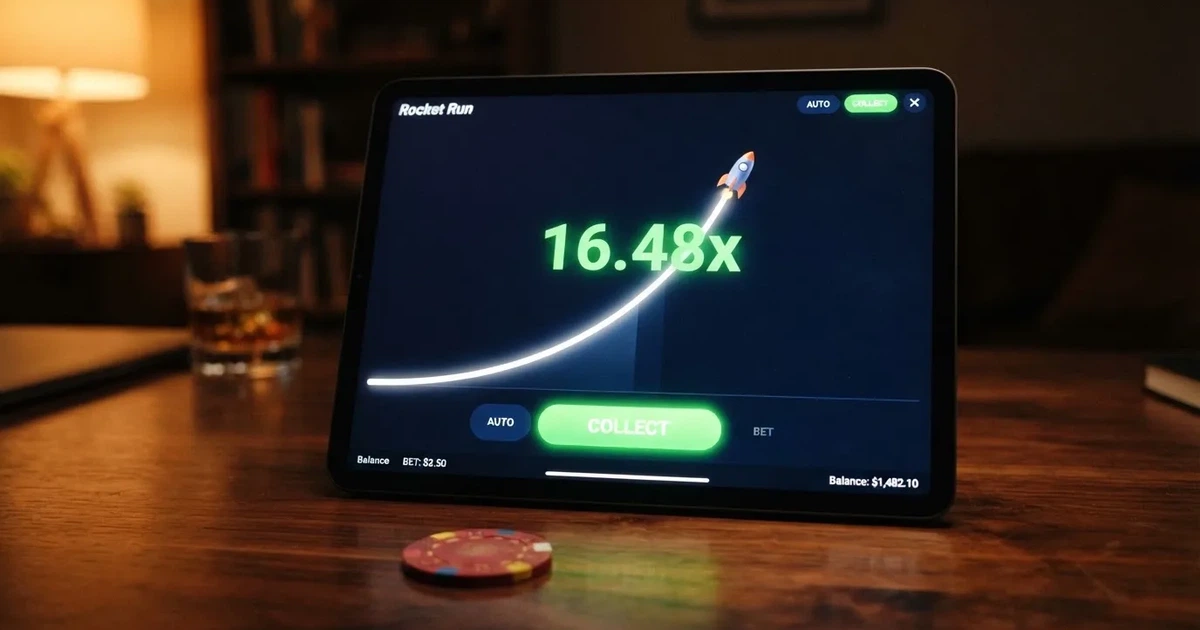
A no-wagering bonus on a UK bingo site usually spends itself on bingo tickets and slot spins, but the wider lobby is broader than that. Crash-style multiplayer games like Spribe’s Aviator — released in 2019 and described by Spribe’s CEO as “the first true multiplayer crash game in the regulated igaming space” — sit in some of the lobbies on this list. In a crash game, a multiplier curve rises from 1.00x until the round randomly crashes; the player must cash out before the crash to win their stake multiplied by the current value. Aviator has reported more than 42 million active users and processes around 350,000 bets per minute across more than 5,000 operators worldwide. Whether a crash game counts toward a no-wagering bonus depends on the offer’s eligible-games list.
Live dealer tables — baccarat’s Punto Banco variant, blackjack, roulette — sit alongside the bingo rooms at several of the brands on this page. Punto Banco, the most widespread form of baccarat globally, developed in Havana in the 1940s; the casino banks the game at all times and both hands are dealt out according to fixed drawing rules, so players make no strategic decisions. Chemin de Fer, the most popular variant in France, gives players strategic choices and includes an element of skill. Live dealer games are typically excluded from bingo-focused no-wagering bonuses; a player who wants to spend a bonus on live tables usually has to look at a casino-focused promotion.
How the Ten Stack Up on What the Page Can Compare
The licence and domain columns on the table above are the part of any comparison a reader can verify themselves on the public register. The bonus terms, the eligible-games lists, the maximum win caps, and the time limits are not on the register; they sit on each brand’s current promotion page and change frequently. The honest comparison a reader can make across the ten is on licensing — and the licence is the layer that does not change when the offer does.
A reader who wants to compare no-wagering offers specifically is comparing offers that move weekly, on terms the page does not have access to and would not invent if it did. The licence is what stays still; the offer is what moves; a useful comparison separates the two and treats them differently.
The Verdict on the Ten
The ten brands on this list are all licensed under the Gambling Act 2005 and all sit on the Commission’s public register with a clean entry as of 18 September 2026. On licensing, they are equivalent: a remote casino operating licence, a domain status, an account holder, and a Commission complaints route if anything goes wrong. The differences are in product line, in corporate parent, and in domain status — Virgin Games is the only white-label entry, which is a distinction a reader should know and a brand comparison cannot hide.
On no-wagering offers specifically, the register does not record bonus terms and the page does not invent them. A reader choosing between the ten on the strength of a no-wagering promotion has to read the current promotion page of each brand at the moment of claiming, with attention to the eligible-games list, the maximum win cap, and the time limit. The licence is the floor; the offer is the ceiling; the gap between them is the space a no-wagering promotion actually occupies.
What to Watch For at the Moment of Claiming
Three things change between the day a promotion page goes live and the day a player claims it. First, the eligible-games list: a bonus that targets a specific slot title on day one may have shifted to a different set of titles by the end of the month. Second, the maximum win cap: the cap is set by the operator and can move with the promotion’s terms. Third, the time limit: a seven-day expiry is not the same product as a thirty-day expiry, and the difference is not always visible in the headline.
The licence behind the offer does not change in the same window. The account number, the licence number, the domain status — these stay put until the Commission makes a change. A reader who treats the licence as the constant and the offer as the variable is reading the relationship the way the regulator intends it.
The Final Word on What a No-Wagering Promotion Buys
A no-wagering promotion on a GB-licensed bingo site buys the absence of a clearing step. It does not buy the absence of a house edge, the absence of a deposit, the absence of identity verification, or the absence of GAMSTOP. The marketing word is short for one specific change to the bonus mechanic, and the rest of the offer — the stake ceiling, the spin interval, the financial vulnerability check, the safer-gambling prompt — sits unchanged.
A reader who knows what the marketing word buys and what it does not is the reader who reads the small print before claiming. A reader who treats “no wagering” as a session without cost is the reader the marketing word was written for, and the reader the licence was written to protect.
Frequently Asked Questions
What does a no-wagering bonus on a bingo site actually mean?
A no-wagering bonus removes the playthrough multiplier on a deposit bonus. The bonus funds (or the winnings they generate) become withdrawable cash once the offer’s other terms — minimum deposit, eligible games, maximum win cap, time limit — are met. The promotion does not change the house edge on the eligible games, and the standard verification, deposit and safer-gambling rules apply unchanged.
Which slots on a bingo site tend to pay out best?
Licensed UK bingo sites publish RTPs on each game’s information panel. The honest comparison is between RTPs of named titles — a 96% RTP slot will return roughly 4p of every £1 staked across the long run; a 94% RTP slot will return 94p. The difference is small per spin and only becomes visible over thousands of spins. Volatility — how often wins land and how big they are — matters more for a session than RTP does.
Is a no-deposit bingo offer still subject to a maximum win cap?
Yes. A no-deposit bonus pays out under the offer’s terms, which almost always include a maximum win cap. The cap is set by the operator and applies to the winnings generated by the bonus, not to a player’s own deposit. A £5 no-deposit bonus that pays out a maximum of £50 in cash is a different product from one that pays out a maximum of £10; the cap is in the terms, not in the licence.
How well does mobile bingo and slots play perform on a phone browser?
Modern UK bingo sites run their full product from a mobile-responsive web build. The bingo ticket reflows to a portrait layout, the slot reels do the same, and chat tools sit closer to the player’s thumb. The stake ceilings, the 2.5-second minimum spin interval and the auto-play ban apply identically on mobile, because they sit with the game cycle rather than with the screen.
Are bingo and slots offered on the same licence at a UK site?
Most of the brands on this list carry bingo rooms and slot games under a single remote casino operating licence. The Commission’s licensing structure distinguishes a remote casino licence from a remote bingo game host operating licence, which lets a software business supply bingo games to licensed operators without contracting directly with customers. A reader who wants to verify the licence type can search the public register by account number.
Must a bingo and slots site be Gambling Commission-licensed to offer UK players a no-wagering bonus?
Yes. Section 33 of the Gambling Act 2005 makes it an offence to provide gambling facilities to people in Great Britain without a Commission licence, regardless of where the operator is based. A no-wagering promotion offered to UK players by an unlicensed site is offered illegally, and the player on such a site has no Commission complaints route, no GAMSTOP protection, and no approved ADR. The public register is the only proof a brand is licensed.
Prepared by the lowdepositcasinouk editorial staff.